2026 Discovery Award Winners

Discovery Awardees since 1925
1374

The Banting Discovery Foundation is pleased to announce the 2026 Cohort of our Discovery Award winners. These twelve early-career scientists received a critical boost to pursue their research, that can one day transform lives.

OUR 2026 WINNERS ARE:

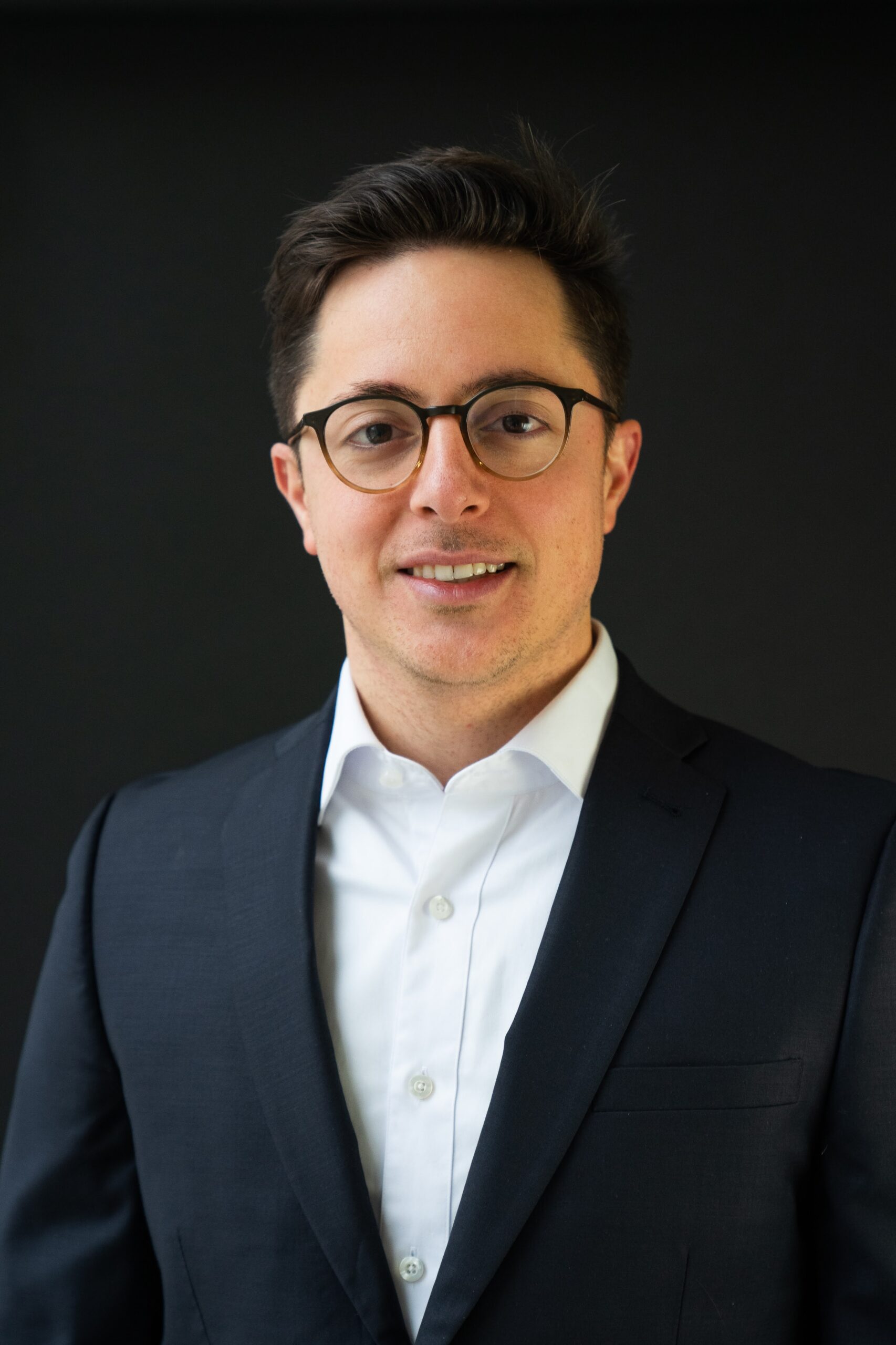
Michael Colacci

Department of Medicine, University of Toronto

Banting 100-Year Social Impact Award - funded by the generous donations of past Awardees with matching gifts from our supporter The Madison Foundation

Working with hospital teams, Dr. Colacci is implementing artificial intelligence to spot early signs that a patients health may be deteriorating. The idea is simple, give clinicians a heads up sooner so they can step in quickly and improve care. Outside of research, he enjoys making pizza and tending to his vegetable garden.

Johanna Ospel

Departments of Diagnostic Imaging & Clinical Neurosciences, University of Calgary

Myron & Berna Garron-Banting Discovery Award

Improving stroke treatment starts with a closer look at the brain’s vascular system. Dr. Ospel’s work focuses on diseases that affect the brain’s blood vessels, with the goal of developing gentler, less invasive treatment options. She also studies imaging markers that could help clinicians diagnose and treat strokes more effectively, aiming to support precise care. On weekends, you might find Dr. Ospel running along the Bow River Pathway as she trains to qualify for the Boston Marathon.

Dr. Ospel Lab Team

Ellen Jopling

Department of Psychology and Neuroscience, Dalhousie University

Myron & Berna Garron - Banting Discovery Award

Difficult experiences in childhood can affect a person’s health and well‑being long into adulthood. Dr. Jopling studies why some children develop lasting mental and physical challenges while others show resilience in the face of adversity. Her work helps provide researchers, clinicians, and policymakers with the evidence they need to support at‑risk children earlier and more effectively. As a trail runner and triathlete, Dr. Jopling stays active outside the lab and enjoys spending time with her two rescue dogs.

Megan Beggs

College of Pharmacy and Nutrition, University of Saskatchewan

Myron & Berna Garron - Banting Discovery Award

Micronutrients may be tiny, but in the world of infant development, they play an outsized role. Dr. Beggs investigates how essential minerals and trace elements are absorbed and used in the bodies of infants and children, uncovering how they shape early growth. Her current project focuses on zinc levels in babies born preterm, aiming to better understand their unique nutritional needs and support healthier development outcomes. In her free time, Dr. Beggs enjoys gardening , playing piano, woodworking, and knitting.

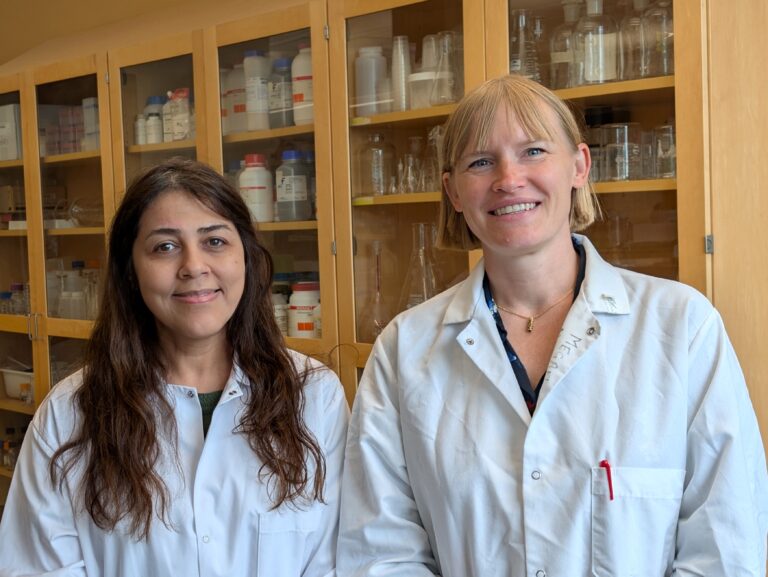
Left to Right: Kathy Karimzadeh, Dr. Beggs

Cindy Yeung

College of Pharmacy, Dalhousie University

Banting Discovery Award

In neonatal care, getting medications right can make all the difference. Dr. Yeung’s work focuses on improving how medicines are given to newborns, a challenge made more complex because many drugs have not been fully tested in this age group. To reduce the risks, she is developing models that help tailor medication doses to each baby’s individual needs. Through this approach, she aims to improve treatment and health outcomes for critically ill newborns. When she’s not in the lab, Dr. Yeung can be found painting, sketching, training for a half marathon, diving into a new novel, or exploring the world – she has visited more than 20 countries, with Hong Kong and the Netherlands topping her list.

Zachary Pennington

Department of Psychology, University of British Columbia

William & Nona Heaslip - Banting Discovery Award

Understanding how the brain processes emotion starts with its underlying circuits. Dr. Pennington studies newly identified cell types in the hypothalamus – a region that helps keep the body in balance – to explore whether they could lead to more effective treatments for anxiety and post‑traumatic stress. When he’s not in the lab, Dr. Pennington is off on food adventures, cruising on his bike or skateboard, hanging out with his two cats, and keeping himself well‑supplied with coffee.

Manon Defaye

Faculty of Medicine, Université Laval

Banting Discovery Award

For many people with inflammatory bowel disease, pain doesn’t always end when inflammation does. Dr. Defaye’s work aims to better understand and address this lingering discomfort, which remains difficult to treat. Due to a lack of effective therapies, patients often turn to opioid medications, increasing the risk of dependence and other complications. Beyond her research, Dr. Defaye likes to exercise her creativity through acrylic painting, which she finds very relaxing.

Left to Right: Paula Forneris, Dr. Defaye, Coralie Bazin, and David Lamontagne

Linda Horianopoulos

Department of Food Science, University of Guelph

Banting Discovery Award

Harmful yeast strains can cause serious infections, yet treatment options remain limited. Dr. Horianopoulos studies the genetics of these fungi to better understand how they cause disease. Using insights from the body’s natural defenses, she is working toward developing improved antifungal treatments. Dr. Horianopoulos brings her work home and into the kitchen, using safe strains of yeast to bake bread and pizza dough.

Left to Right: Laura Delage, Dr. Horianopoulos, Sarah Lapolla

Isaac J. de Souza Araújo

College of Dentistry, University of Saskatchewan

Banting Discovery Award

Tooth decay and gum disease are common worldwide, and without proper treatment, they can lead to tooth loss. Dr. de Souza Araújo’s work focuses on developing new therapies that use 3D‑printed gels, dental stem cells, and small molecules to help damaged teeth and gums repair themselves. Outside of research, Dr. de Souza Araújo enjoys spending time with his wife and family, watching and playing soccer, and writing poetry.

Left to Right: Abdullah Ramadan, Dr. de Souza Araújo, Roana Leite

Alissa Greenwald

Lunenfeld-Tanenbaum Research Institute, Sinai Health, and Department of Molecular Genetics at the University of Toronto

Banting Discovery Award in Data Science - jointly funded by the University of Toronto Data Sciences Institute

Seeing the structure of a tumour is essential to understanding how cancer evolves. Dr. Greenwald builds high-resolution maps from patient samples to reveal how cancer cells organize themselves within tumours. Her research has shown that tumours often mirror the growth patterns of healthy tissue – a feature that affects how the cancer behaves over time. When she’s not at work, Dr. Greenwald enjoys making art and keeping up with her four children. 

Left to Right: Hanli Jiang, Samuel Salitra, Ming-Heng Wang, Dr. Greenwald, Jerry Chen, Michelle Tong, and Hannah Exner

Kaiqiong Zhao

Department of Mathematics and Statistics, York University

Banting Discovery Award in Biostatistics - jointly funded by the Canadian Statistical Sciences Institute, Ontario Regional Centre

Hypermobile Ehlers‑Danlos syndrome is a common but often overlooked condition that affects the body’s connective tissues and causes wide-ranging symptoms. She is building new statistical and AI tools that combine data from wearables with biological information to better track the disease and guide more personalized treatment. When she’s not at the lab, Dr. Zhao is likely out hiking or swimming – activities that help her recharge, stay balanced, and return to her research with a fresh perspective.

Left to Right: Dr. Zhao, Yushi Huang, and Jingpu Ding

Arthur Chatton

Département de Médecine Sociale et Préventive, École de Santé Publique de l’Université de Montréal

Banting Discovery Award in Biostatistics - jointly funded by the Canadian Statistical Sciences Institute

Early‑life support programs can play a powerful role in reducing long‑term health and social inequalities. Dr. Chatton examines how Quebec’s SIPPE (Integrated Perinatal and Early Childhood Services) home‑visiting program could be strengthened to better support parents and children. Using advanced statistical methods, he studies how changes to the program might improve outcomes and inform stronger early‑childhood policy. Outside of his research, Dr. Chatton enjoys playing blitz chess – albeit quite badly, he admits – and reading epic and dark fantasy.