

Toronto, June 16, 2026 –
The Banting Discovery Foundation is pleased to announce this year’s Discovery Award winners:
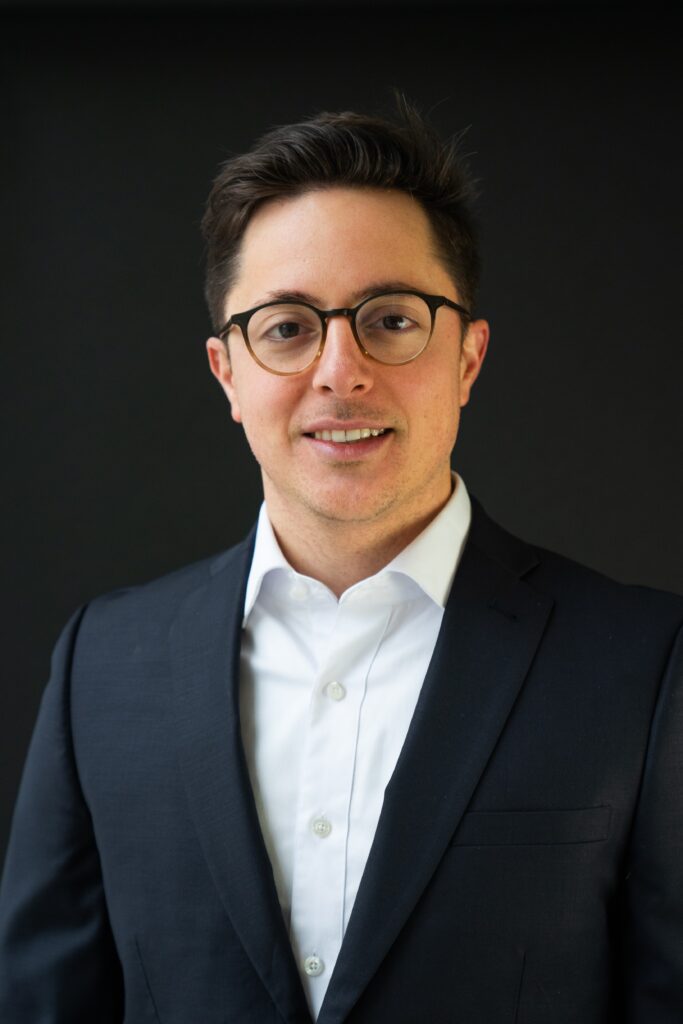
Michael Colacci (Department of Medicine, University of Toronto), received the Banting 100-Year Social Impact Award – supported by the generous donations of past Discovery Award recipients with matched gifts from The Madison Foundation – for his collaborative research using artificial intelligence to spot early signs that a patient’s health may be deteriorating. These tools are designed to help hospital staff step in sooner and improve patient care.

Megan Beggs (College of Pharmacy and Nutrition, University of Saskatchewan), received the Myron & Berna Garron–Banting Discovery Award for investigating how micronutrients – like minerals and trace elements that the body needs in small amounts – are used in the bodies of infants and children. Her current project focuses on zinc levels in babies born preterm, aiming to support their growth and development.

Johanna Ospel (Departments of Diagnostic Imaging & Clinical Neurosciences, University of Calgary), received the Myron & Berna Garron–Banting Discovery Award for her work on diseases that affect the blood vessels in the brain. She focuses on creating gentler, less invasive treatments and on finding imaging clues that can help doctors diagnose and treat strokes more quickly and effectively.

Cindy Yeung (College of Pharmacy, Dalhousie University), received the Myron & Berna Garron–Banting Discovery Award for improving how medicines are given to newborns. Doctors often have to prescribe drugs in ways that haven’t been fully tested for newborns, which can be risky. By creating models that help tailor medication doses to each baby’s needs, Dr. Yeung is helping improve treatment and outcomes for critically ill newborns.

Zachary Pennington (Department of Psychology, University of British Columbia), received the William & Nona Heaslip–Banting Discovery Award for his work analyzing the brain’s emotion‑related circuits. He is currently studying newly discovered types of cells in the hypothalamus – a part of the brain that helps keep the body in balance – to see whether they could lead to new treatments for anxiety and post‑traumatic stress.

Manon Defaye (Faculty of Medicine, Université Laval), received the Banting Discovery Award for her work helping patients with inflammatory bowel disease (IBD) who continue to struggle with long‑lasting pain even after their gut inflammation has healed. There are few effective treatments for this kind of chronic pain, leaving many patients reliant on opioid medications, which can lead to addiction and other harmful side effects.

Linda Horianopoulos (Department of Food Science, University of Guelph), received the Banting Discovery Award for her genetic studies of harmful yeast strains that can cause serious infection. With only a few antifungal medications available, doctors don’t have many treatment options. By studying how the body naturally fights off illness, Dr. Horianopoulos is working toward developing new and better treatments for these infections.

Ellen Jopling (Department of Psychology and Neuroscience, Dalhousie University), received the Banting Discovery Award for examining how difficult experiences in childhood can shape a person’s health and well‑being later in life. While some children face long‑term mental and physical challenges, others show remarkable resilience. Dr. Jopling’s work aims to give researchers, clinicians, and policymakers the knowledge they need to step in earlier and more effectively to support vulnerable children.
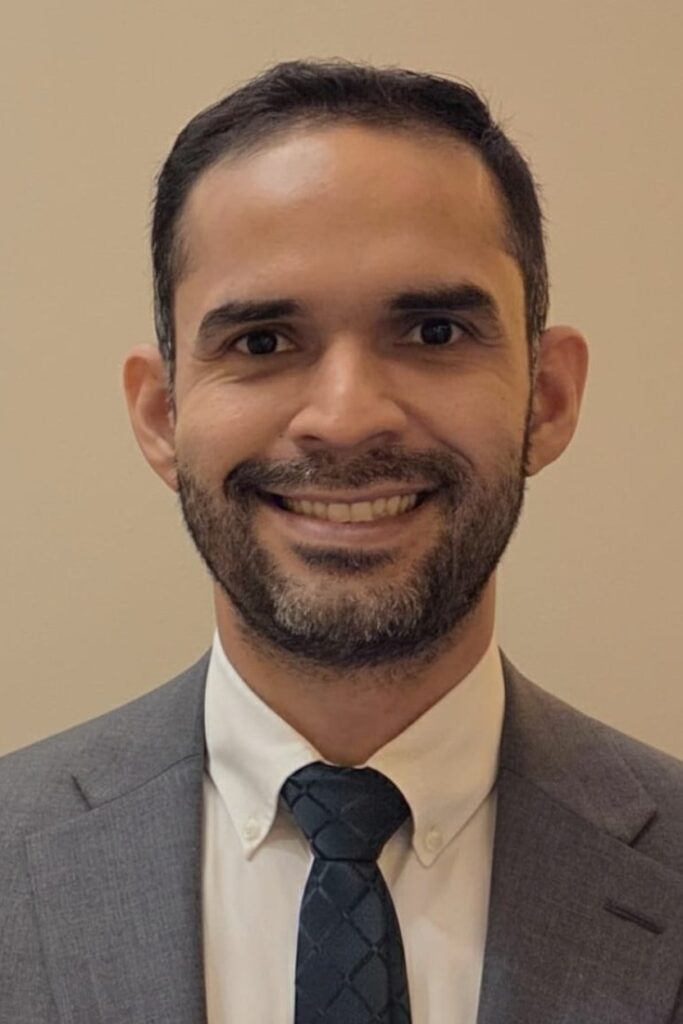
Isaac J. de Souza Araújo (College of Dentistry, University of Saskatchewan), received the Banting Discovery Award for developing therapies to treat tooth decay and gum disease – common problems around the world that can lead to tooth loss if not treated. His research uses 3D‑printed gels, dental stem cells, and small molecules to help damaged teeth and gums repair themselves.

Alissa Greenwald (Lunenfeld-Tanenbaum Research Institute, Sinai Health, and Department of Molecular Genetics at the University of Toronto), received the Banting Discovery Award in Data Science, jointly funded by the University of Toronto Data Sciences Institute, for mapping how cancer cells are arranged inside a tumour. By creating detailed maps from patient tumour samples, she is uncovering how tumours imitate the way healthy tissues normally grow – a pattern that influences how the cancer behaves and progresses.

Kaiqiong Zhao (Department of Mathematics and Statistics, York University), received the Banting Discovery Award in Biostatistics, jointly funded by the Canadian Statistical Sciences Institute, Ontario Regional Centre, for her research on hypermobile Ehlers-Danlos syndrome (hEDS), the most common yet frequently under-diagnosed form of a hereditary connective tissue disorder, which can cause a wide range of symptoms. She is creating new statistical and AI-based tools that combine data from wearable devices with biological information to better track the disease and guide more personalized care.
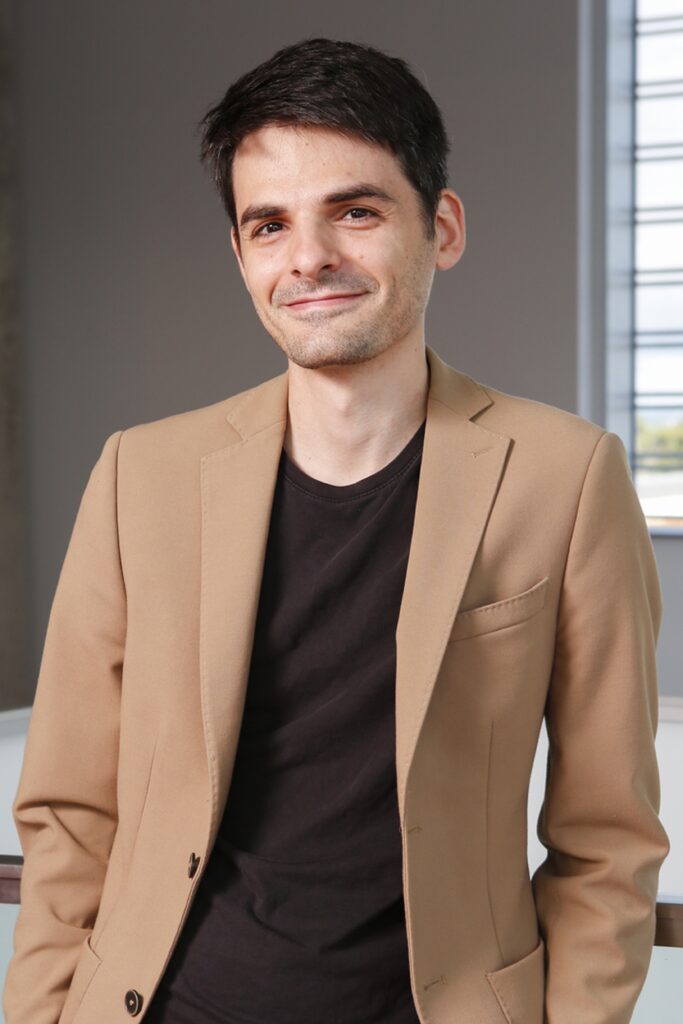
Arthur Chatton (Département de Médecine Sociale et Préventive, École de Santé Publique de l’Université de Montréal), received the Banting Discovery Award in Biostatistics, jointly funded by the Canadian Statistical Sciences Institute, for exploring early‑life support programs that aim to reduce long‑term health and social inequalities. He uses statistical methods to understand how changes to Quebec’s SIPPE (Integrated Perinatal and Early Childhood Services) home‑visiting program could better support parents and children and strengthen early‑childhood policy.
We gratefully acknowledge the support of our donors and partner organizations, whose contributions make these awards possible.
To learn more about our spectacular Discovery Award recipients, please visit the Foundation’s website
About the Banting Discovery Foundation:
Exceptional young Canadians begin careers in medical research with ideas that could change the world. This early stage is a critical window, when excellence exists before researchers have visibility or opportunity. At this early point, their progress depends on recognition, funding and mentorship.
Early support changes everything, launching careers and accelerating impact. Without support, ideas stall, people leave research and benefits that could improve lives and Canadian society are never realized.
Frederick Banting understood these challenges firsthand. His early scientific work struggled to gain attention. He persisted, working in borrowed space with limited resources, and he transformed medicine worldwide with his discovery of insulin. Awarded a Nobel Prize, he chose to share credit with his collaborators and make his breakthrough accessible to the world, believing scientific progress comes with an obligation to benefit patients, society and the future. He never forgot the team and support that made his success possible, and he spent his life mentoring other young scientists.
The Banting Discovery Foundation carries that legacy forward. Independent of institutions and disciplines, the Foundation identifies, funds and mentors early-career researchers across Canada. The annual Banting Award bestows prestige through a unique, rigorous and peer-reviewed process, serving as a catalyst for career advancement and additional funding.
Supporting the Banting Discovery Foundation offers the opportunity to stand with excellence from the very beginning—helping Canada’s best young researchers turn their ideas into innovation and ensuring their discoveries serve the public good for generations to come.
Media Contact:
Maurine Kwok
Executive Director, Banting Discovery Foundation
ed@bantingresearchfoundation.ca
Claudio DiCamillo
Banting Strategic Communications Director
cdicamillo@grllp.com